
Why a Solana browser wallet actually matters — and how to pick one without getting burned
Whoa! That headline sounds dramatic. Really? Yes. For anyone who pokes around NFTs, DeFi or web3 toys on Solana, the wallet you choose changes the experience a lot. Short answer: connectivity, UX, and security habits matter more than flashy features. Longer answer: wallets act like your gateway, and if the gateway is clunky or compromised, everything behind it is on shaky ground — though there are nuance and trade-offs that deserve some slow thinking.
Okay, so check this out — wallets come in flavors: mobile apps, hardware combos, and browser extensions that sit in Chrome, Brave, or Edge. Browser extensions are convenient. They also create a single point of failure if you’re careless. Hmm… my instinct says convenience often wins, even when we know better. On one hand users want speed and seamless NFT drops; on the other hand, one bad click can be very very costly. Initially people think extensions are risky, but modern ones use permissions and signing flows that reduce risk when used properly; however, not everyone reads those permissions, somethin’ people gloss over.
Here’s what bugs me about the ecosystem: too many guides treat wallet setup like a one-click install and then disappear. That approach misses the human side — the habits, the mistakes, the nags that save you. The practical checklist below isn’t exhaustive. It’s pragmatic and biased toward safety and usability, not hype. Quick note: when you want the Phantom browser extension, there’s a convenient landing page that many users find helpful — https://sites.google.com/cryptowalletextensionus.com/phantomwalletdownloadextension/. Use it as a starting point, but keep reading — this isn’t endorsement without context.
How to evaluate a Solana extension wallet
Start with three lenses: safety, ergonomics, and ecosystem support. Safety asks: how does it handle seed phrases, transaction previews, and external requests? Ergonomics looks at the UI flow — is it simple to sign a transaction without confusion? Ecosystem support means integrations with marketplaces, networks, and developer tooling. All three matter together — if you have great safety but terrible UX, you’ll bypass safeguards; conversely, if UX is great but the extension is closed-source or sketchy, that’s a red flag.
Step-by-step: first, check permissions. Extensions should request minimal access and should show transaction details clearly. Second, verify source and distribution channel. Don’t install random clones — official store listings or recognized download pages reduce risk, though they are not perfect. Third, consider a separate browser profile for your crypto activity; that isolates plugins, cookies, and potential trackers. It sounds extra, and yeah, it’s extra — but people doing drops or trades use this trick a lot.
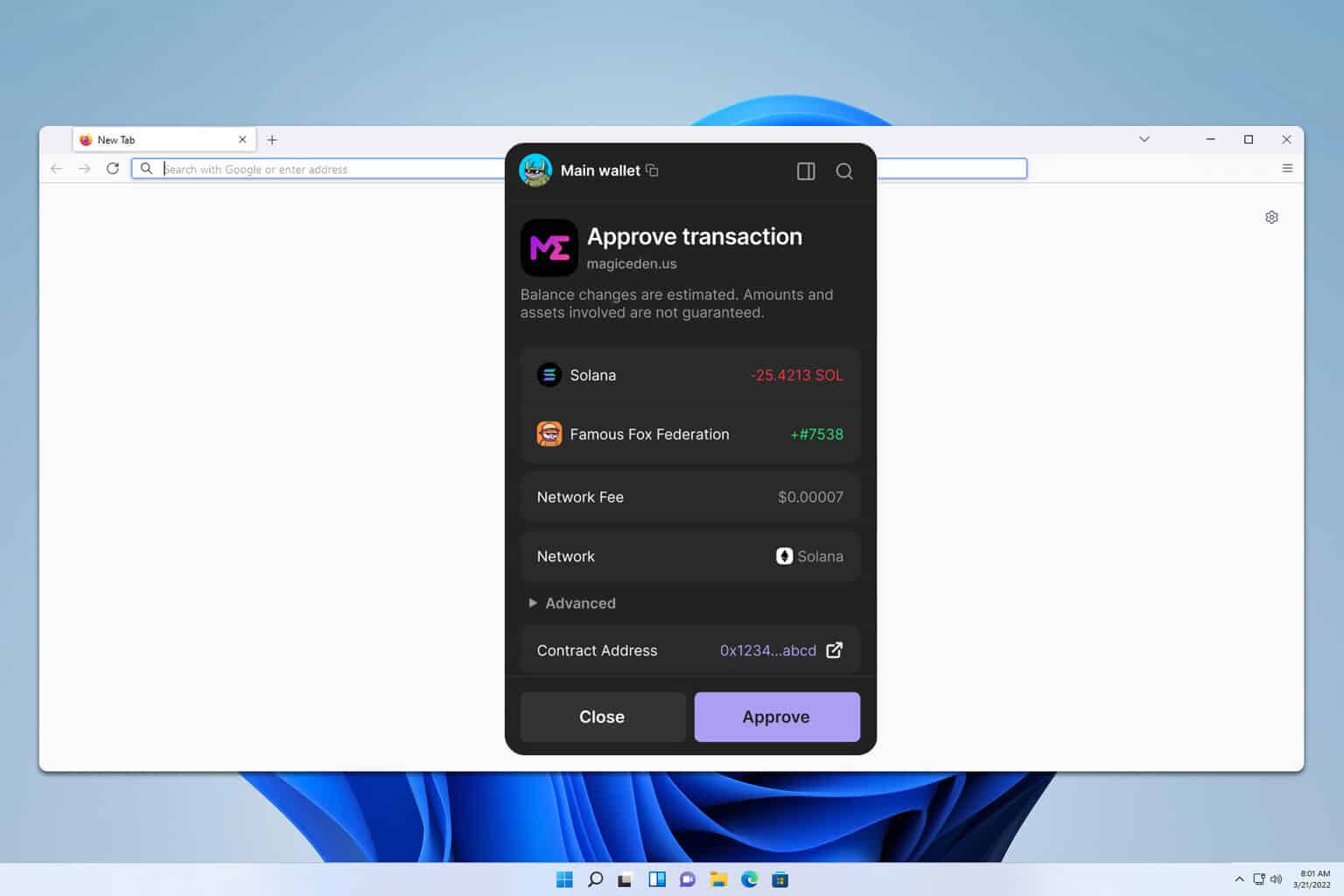
On the UX side, look for clear transaction descriptions and human-readable amounts (not just lamports). If the wallet hides fees or sends you to a dense confirmation screen, that’s a red flag. Also, check support for hardware wallets — integrating a Ledger or similar makes the extension far more secure for high-value holdings, though it adds friction.
Security is layered. A seed phrase tucked in a text file is bad. A hardware-backed signature is better. Multi-account management and clear export/import flows are underrated. And by the way, backup plans matter — how quickly can you recover if your machine dies? If the recovery process is opaque, plan for it now, not later.
There are also behavioral things. Really simple ones help: use a dedicated email for your wallet sign-up, enable two-factor where possible, and treat popups with suspicion. If a dApp asks for blanket spending approval, pause. Seriously? Yes — pause. Approving blanket permissions is like giving someone the keys to your house because you liked their brochure. On one hand that speeds repeated interactions; on the other hand it opens doors you might not want open.
Performance and reliability are part of trust too. Does the extension handle network congestion gracefully? Does it recover after connection drops? If signing freezes during a mint, you can lose opportunities and money. For collectors and active traders, small lags add up. For casual users, this might not matter as much — though you should still care about correctness.
Community signals help. Look at issue trackers, GitHub activity, and how quickly the team responds to security reports. That’s not the whole picture, but a wallet with proactive open-source engagement and transparent release notes tends to behave better over time. On the flip side, shiny marketing with no public code or poor support should raise eyebrows.
Now, some nuance about NFT wallets specifically: the best flow shows token metadata, the contract address, and gives you an easy way to verify a mint page. Fake mints and phishing pages rely on confusion. If your wallet or marketplace makes it hard to confirm where you’re signing, that’s a vulnerability. Take five seconds — you have the time. (Oh, and by the way… keep cold storage for rare, high-value pieces.)
FAQ
Is a browser extension wallet safe enough for daily use?
Short answer: yes, if you use good practices. Medium answer: with cautious habits — isolated browser profiles, careful permission reviews, connecting hardware wallets for higher-value transactions — extensions are both practical and reasonably safe. Long answer: security is about people as much as software; the right habits change risk profiles dramatically.
Should I store NFTs in the same wallet I use for trading?
Many separate storage strategies: keep a “hot” wallet for day-to-day interactions and a “cold” or hardware-backed wallet for collectibles you value a lot. It’s a trade-off between convenience and risk. If you’re new, treat any wallet with significant value as if it’s already targeted — because, honestly, some folks will try to spot weaknesses.
How do I verify an extension is legitimate?
Check the official site and verified store listing, review community forums and GitHub, and cross-check developer links. If something smells off, step back. Also, consider searching for recent security advisories — a recent, transparent fix is better than no fixes at all.